
How to Build a Family Entertainment Lineup for Your Fair or Festival
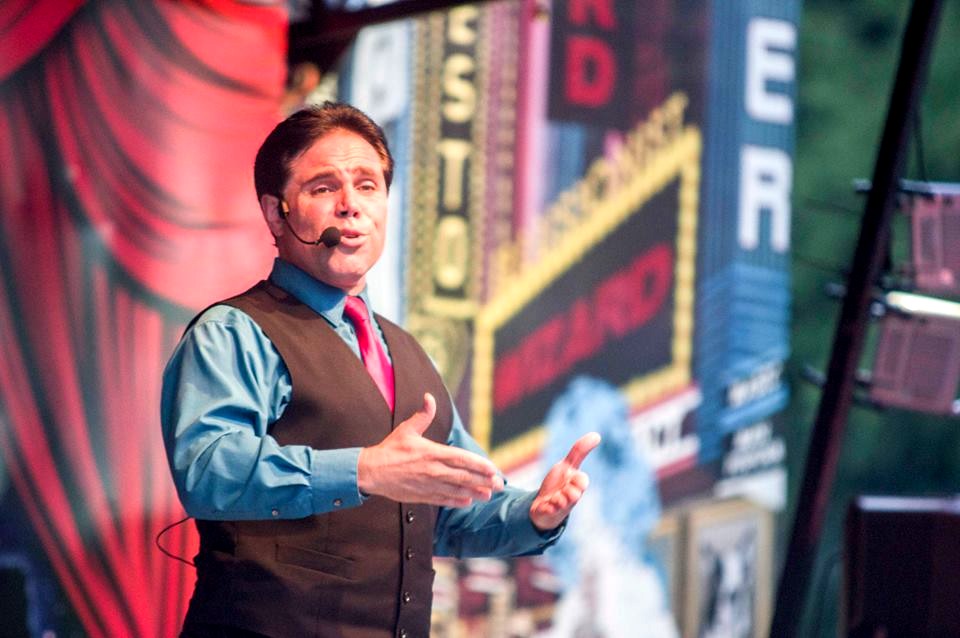

Building a family entertainment lineup means finding acts that work for a six-year-old and a sixty-year-old standing side by side. The best fair and festival lineups do not aim at one age group and hope for the best — they program entertainment that pulls every generation in at once, keeps people on the grounds longer, and gives visitors a reason to return the following day.
Why the Right Entertainment Changes Everything
Walk through any well-attended county fair or state fair in the USA and the pattern is clear. The energy is at the entertainment stages — not the midway, not the food vendors. Live performance creates a shared moment that a family of four, spanning three generations, can experience simultaneously.
Florida organizers have understood this for years. Events like the Florida Strawberry Festival and the Sarasota County Fair consistently anchor their lineups with professional live entertainment precisely because it delivers across every demographic without requiring separate programming for each age group.
What Each Age Group Actually Needs
Every generation at your fair is looking for something slightly different. Understanding that is what separates a lineup that works from one that loses half the crowd within the first ten minutes.
Young children need visual stimulation and movement they can track immediately. Animals on stage, large colorful illusions, and fast-paced action capture their attention within seconds.
Teenagers want something unpredictable. A scripted performance that plays it safe loses them quickly. Interactive entertainment — particularly stage hypnosis — where no one knows what will happen next is exactly the format that holds their attention.
Parents and adults are watching two things simultaneously: the show, and whether their children are engaged. When both are working at the same time, families stay longer and return to the same stage for the next performance.
Older adults respond to craft and professionalism. A large-scale production with genuine skill behind it earns their respect in a way that novelty alone never will.
The best fair entertainment hits all four simultaneously. A large-scale stage magic show — with live animals, illusions, comedy, and audience participation — is the format that consistently delivers across every one of these groups at the same time.
The Formats That Actually Work
Stage Magic Show
A professional fair magic show is the most reliable all-age entertainment format available to fair organizers. The live animals connect with young children instantly. The large-scale illusions stop adult foot traffic. The comedy keeps teenagers from drifting away. The audience participation makes it personal for everyone watching.
It also delivers two to three times per day at consistent quality, which is essential for a fair drawing thousands of visitors across a full event day. One show at 2 pmcounty fair or state fair in the USA does not serve the family that arrived at noon or the group that walks in at 5 pm.
Stage Hypnosis Show
A comedy hypnosis show works differently — and that difference is its strength for multi-day events. Every performance is genuinely different because every crowd is different. Repeat visitors on day two are not watching the same show.
The format skews strongest with teenagers and young adults, which makes it the ideal evening entertainment slot when the demographic on the grounds shifts older. Schedule it after 5 pm, and it lands consistently well.
Animals and Exhibits
Animals work continuously, without a scheduled start time, and they draw families instinctively. The most effective use of animal entertainment at fairs is integrating it into a live stage show rather than running it as a standalone exhibit — the impact is significantly higher when animals appear as part of a performance.
Live Music
Music works best as background programming between headline shows. Broadly appealing genres — classic rock, country, and acoustic pop — hold a mixed-age audience. Niche genres divide it. Use music to fill the gaps in your schedule, not to replace your headline entertainment.
How to Schedule for Maximum Impact
Scheduling decisions matter as much as the entertainment itself.
Morning — Open with animal exhibits and community performances. Families with young children arrive early. Give them something engaging while the grounds fill.
Midday — First headline performance. This is peak family attendance. A stage magic show here serves the widest cross-section of your daily crowd.
Mid-afternoon — Second headline slot. A fresh audience has arrived. The same show format works again because these visitors are seeing it for the first time.
Evening — Final performance. The crowd has shifted — fewer young children, more teenagers and adults. A hypnosis show in this slot consistently generates the strongest crowd energy of the day.
The single most common scheduling mistake is booking one performance per day and calling it done. Two to three full shows spread across the day is the professional standard at state fairs and county fairs across the USA.
The Shared Moment Standard
There is a simple test for whether fair entertainment is genuinely working across generations.
When a seven-year-old and a seventy-year-old standing next to each other react the same way at the same moment — both laugh, both gasp, both lean forward — the entertainment is doing its job. That shared reaction is what builds the crowd, holds it, and turns first-time fair visitors into people who come back the following year.
Program toward that standard and the lineup decisions become straightforward.
What to Confirm Before Booking Any Act
Before committing to any entertainment for your fair or festival, these questions are worth asking directly:
Does this act work for audiences from 5 to 75 years old simultaneously?
How many full performances per day can this act deliver?
Is production self-contained — stage, sound, lighting, and crew included?
Does the act have verified experience at state fairs, county fairs, or outdoor festivals in the USA?
A professional fair entertainer answers every one of these without hesitation.
Frequently Asked Questions
Q1: What entertainment works best for all ages at a fair?
Large-scale stage magic shows — combining live animals, illusions, comedy, and audience participation — consistently deliver across every age group simultaneously. They require no prior knowledge, produce immediate reactions, and run multiple times per day at consistent quality.
Q2: How many shows per day should a fair run?
Two to three full performances spread across midday, mid-afternoon, and early evening. One show per day leaves the majority of your attendance without access to headline entertainment.
Q3: What is the difference between a magic show and a hypnosis show for fair programming?
A magic show delivers a consistent visual spectacle that works for all ages, including young children. A hypnosis show creates spontaneous crowd-driven comedy that skews strongest with teenagers and adults — making it ideal for evening slots and multi-day events where repeat visitors need a fresh experience.
Q4: How far in advance should Florida fair organizers book entertainment?
Six to twelve months minimum. Florida fair season runs year-round, with peak periods from January through April and again in the fall. Professional acts with strong fair track records fill their schedules well before those windows open.
Q5: What should a self-contained fair entertainment act provide?
Stage, sound system, theatrical lighting, and crew — everything needed to deliver a full performance. Your responsibility as the organizer is space, electrical power, and water. Nothing more.
Planning your fair or festival entertainment lineup for 2026 or 2027?
o check availability.
📞 813-486-7057 ✉️ Lance@FairEntertainer.com 🌐 fairentertainer.com


Comments